

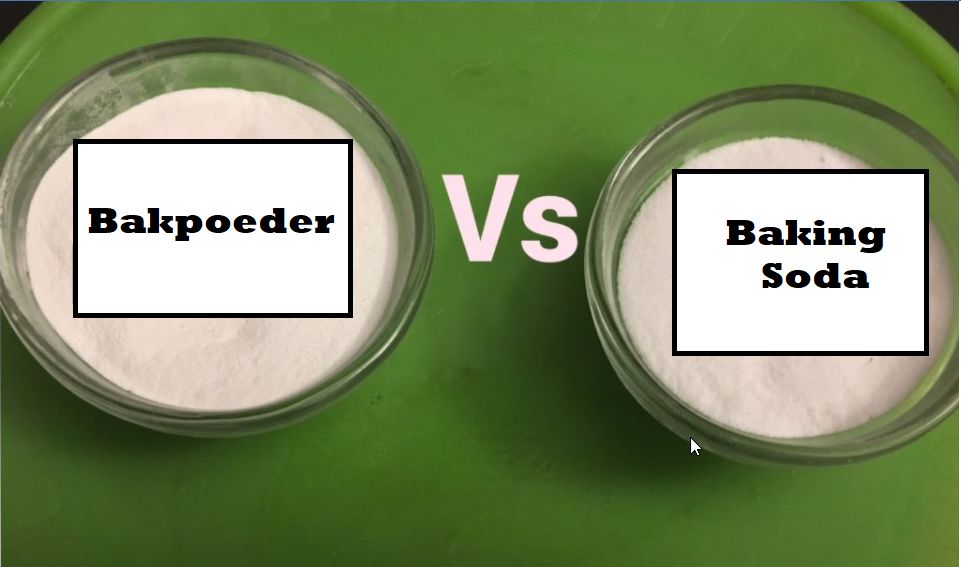
Not all baking powders work the same. This article discusses the differences between baking soda and baking powder, so that you can make an informed decision when buying a product for your next recipe.
What is Baking Soda?
Baking soda is a leavening agent that helps baked goods rise. When combined with an acidic ingredient like yogurt or lemon juice, it creates carbon dioxide gas, which gives cakes and quick breads a light and airy texture. Baking soda has a long shelf life and can be used over and over again.
What is Baking Powder?
Baking powder is a leavening agent that helps baked goods rise. It is a combination of baking soda, an acid (usually cream of tartar), and a moisture-absorber (such as cornstarch). When combined with liquid ingredients, the baking powder forms bubbles of carbon dioxide gas, which get trapped in the batter and cause it to expand and rise. Baking powder is typically used in recipes that do not contain an acidic ingredient, such as milk or yogurt.
The Differences Between Baking Soda and Baking Powder
Bakpoeder en Baking Soda are two common leavening agents used in baking. Though they are similar in function, there are some key differences between the two.
Baking soda is a pure leavening agent, meaning it is solely responsible for causing baked goods to rise. Baking powder, on the other hand, is a combination of a leavening agent and an acid. This means that baking powder can provide both the lift and the flavor that baking soda alone cannot.
The difference in composition also results in different cooking times. Baking soda must be mixed with wet ingredients before being added to dry ingredients, otherwise it will not have time to fully react and do its job. Baking powder, on the other hand, can be added directly to dry ingredients since it contains its own acid.
Finally, because of their different compositions, baking soda and baking powder also react differently when exposed to heat. Baking soda begins reacting as soon as it comes into contact with moisture, so it is important to bake recipes containing it immediately after mixing. Baking powder, on the other hand, only starts reacting when it reaches a certain temperature (usually around 350 degrees Fahrenheit). This allows baked goods made with baking powder to be stored for longer periods of time without losing their lift.
How to Use Baking Soda and Baking Powder
Baking soda and baking powder are both common ingredients in recipes for cakes, cookies, and other baked goods. But what is the difference between these two leavening agents?
Baking soda is a pure form of sodium bicarbonate, while baking powder is a combination of sodium bicarbonate and cream of tartar. When wet, baking soda will release carbon dioxide gas, which helps to leaven or rise the batter or dough. Baking powder is activated by moisture as well, but it also contains an acid (cream of tartar) that will react with the sodium bicarbonate to produce carbon dioxide gas.
So, how do you know which one to use in your recipe? If a recipe calls for baking soda, it usually means that there is another acidic ingredient present (such as yogurt, chocolate, buttermilk, honey, or molasses). Baking powder can be used as a standalone leavening agent, but it will not provide the same results as baking soda.
When substituting one for the other, keep in mind that 1 teaspoon of baking powder contains about 1/4 teaspoon of baking soda. So if a recipe calls for 1 teaspoon of baking soda, you would need 4 teaspoons of baking powder to achieve the same level of leavening.
Other Uses of Both Ingredients
Baking soda and baking powder can both be used for other purposes besides baking. Baking soda can be used as a cleaning agent or deodorizer, while baking powder can be used to help with fires.
The Verdict: Which Should I Use?
Baking soda and baking powder are both commonly used leavening agents in baking. But what’s the difference between them, and which one should you use?
Baking soda is a pure leavening agent, meaning it will cause your baked goods to rise. It’s also a bit more powerful than baking powder. That means you don’t need to use as much of it to get the same effect. However, because it’s so powerful, you need to be careful not to use too much, or your baked goods will end up with a slightly bitter taste.
Baking powder is a combination of a leavening agent and an acid. The acid reacts with the wet ingredients in your batter to create carbon dioxide gas, which causes the batter to rise. Baking powder is not as powerful as baking soda, so you’ll need to use more of it to get the same results. However, because it contains an acid, it can give your baked goods a slightly tangy flavor.
So, which should you use? If you want your baked goods to have a subtle flavor and just a little bit of lift, go with baking powder. If you want your baked goods to have a little more power behind them (and don’t mind if they have a slight bitter taste), go with baking soda.
