

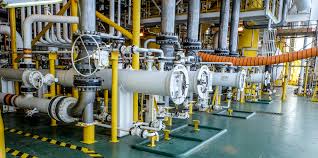
In industries that rely on pipelines for transporting fluids, gases, and other substances, efficiency, safety, and cost-effectiveness are key. Over time, pipelines can experience issues such as build-up, corrosion, and product contamination, all of which may reduce performance or cause operational interruptions. To avoid these challenges, one of the most effective methods is the use of pigging solutions. These solutions provide a reliable way to clean, inspect, and maintain pipelines, ensuring smooth and efficient operations in industries ranging from oil and gas to food processing.
What Are Pigging Solutions?
Pigging solutions refer to systems that involve the use of specialized devices, known as pigs, to perform various tasks within a pipeline. These tasks include cleaning the interior of the pipeline, inspecting for damage or irregularities, and separating different products transported through the same pipeline. The term “pigging” is derived from the squealing sound that the pigs often make as they move through the pipeline.
Pigs are typically inserted into pipelines through a device known as a pig launcher and are received on the other end of the pipeline through a pig receiver. The movement of the pig is typically driven by the pressure from the transported fluid or gas, though other mechanisms such as hydraulic or mechanical systems can also be used.
Importance of Pigging Solutions
The importance of pigging solutions lies in their ability to ensure pipelines continue operating efficiently over time. Without regular maintenance and cleaning, pipelines can accumulate deposits that block flow, reduce pipeline capacity, or lead to more severe damage such as cracks or corrosion. These issues, if left unaddressed, can result in costly repairs, production downtime, or even catastrophic failures.
In industries like oil and gas, where the transportation of raw materials and refined products is continuous, preventing downtime is essential. Likewise, in industries like food and beverage or pharmaceuticals, maintaining clean and uncontaminated pipelines is critical to product quality and consumer safety.
Using pigging solutions to regularly clean and inspect pipelines minimizes these risks and extends the lifespan of the pipeline. The ability to inspect the pipeline’s integrity in real time can also help identify potential problems before they develop into serious hazards, improving the overall safety of operations.
Types of Pigging Solutions
There are several types of pigging solutions available, each designed for specific tasks within the pipeline. The most common types include:
1. Cleaning Pigging
The primary purpose of cleaning pigging solutions is to remove debris, sludge, wax, and other build-ups inside the pipeline. These deposits can accumulate due to the nature of the substances being transported or environmental conditions, reducing the flow of material or causing blockages. Cleaning pigs are usually made of materials such as foam, rubber, or metal and are designed to move through the pipeline, scraping off deposits while maintaining a tight seal against the walls of the pipeline.
Cleaning pigging solutions can also help remove paraffin, scale, and other substances that could otherwise impair pipeline efficiency, improving the overall flow rate and reducing the need for more expensive cleaning methods.
2. Inspection Pigging
Inspection pigging solutions are designed to check the structural integrity of the pipeline. These pigs are equipped with a range of sensors and monitoring devices, such as ultrasonic transducers, cameras, and electromagnetic sensors. The data gathered by these sensors provides real-time information on the pipeline’s condition, helping to detect issues such as corrosion, leaks, and internal damage.
Regular inspections using inspection pigs allow operators to identify potential problems early and address them proactively, avoiding costly repairs and preventing downtime. This form of pigging is especially useful in industries where pipeline integrity is critical, such as the oil and gas sector, where pipeline failures can have severe consequences.
3. Intelligent Pigging
Intelligent pigging solutions take inspection pigging to the next level by incorporating advanced technology that provides a comprehensive analysis of the pipeline’s condition. These pigs can measure the thickness of the pipeline’s walls, detect corrosion, and identify other structural issues with high precision. Intelligent pigs can also record the condition of the pipeline over time, allowing operators to track the pipeline’s health and plan maintenance accordingly.
Intelligent pigging is particularly useful for long pipelines that span vast distances, where routine inspections may be costly or impractical. It provides a more accurate and detailed assessment of pipeline conditions than traditional methods, ensuring that even the smallest issues are addressed before they become major problems.
Advantages of Pigging Solutions
Implementing pigging solutions offers numerous advantages to industries relying on pipeline transportation systems. These benefits include:
1. Cost Savings
One of the most significant benefits of pigging solutions is the reduction in maintenance and repair costs. By regularly cleaning and inspecting pipelines, companies can prevent major issues from developing. Proactively addressing problems such as corrosion, blockages, and leaks is far more cost-effective than conducting emergency repairs or replacing damaged pipelines.
2. Enhanced Safety
Pigging solutions also improve pipeline safety by identifying and addressing potential risks before they result in hazardous events. For example, detecting early signs of pipeline corrosion or wear can help prevent catastrophic failures, such as pipeline ruptures, spills, or leaks. In industries like oil and gas, where pipeline failures can lead to significant environmental and safety concerns, pigging solutions are critical for maintaining safe operations.
3. Improved Efficiency
By keeping pipelines free from blockages and ensuring smooth, uninterrupted flow, pigging solutions improve the overall efficiency of pipeline systems. Clean pipelines allow for faster transportation of materials, which in turn increases throughput and reduces operational bottlenecks. This is particularly important in industries where continuous production is a key factor for profitability.
Conclusion
Pigging solutions are essential for maintaining the efficiency, safety, and reliability of pipeline systems across industries. They offer a cost-effective, proactive approach to cleaning, inspecting, and maintaining pipelines, reducing the risk of blockages, corrosion, and failures. By implementing pigging solutions, businesses can ensure smoother operations, enhance product quality, and maintain pipeline integrity, all while adhering to safety and regulatory standards. As technology advances, pigging systems will continue to evolve, providing even more effective solutions for pipeline maintenance in a variety of industries.
