

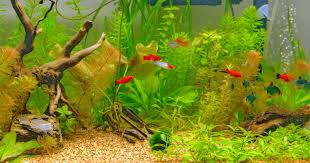
Aquariums offer a unique and mesmerizing way to bring nature into your home. Beyond their aesthetic appeal, they create a serene environment that promotes relaxation and learning. This guide will explore the essentials of setting up and maintaining an aquarium, focusing on the role of Live plants for Aquarium, choosing the right Fish Aquarium, and caring for Live fish.
Selecting the Perfect Fish Aquarium
The foundation of a successful aquatic setup lies in choosing the right Fish Aquarium. The size, shape, and material of the aquarium significantly impact its functionality and the types of fish it can accommodate. Smaller tanks, while easier to maintain, are less stable and limit fish variety. Larger tanks provide more options and create a stable environment, ideal for beginners and seasoned hobbyists alike.
When browsing for a Fish Aquarium, prioritize durability and compatibility with your home space. Glass tanks offer clarity and scratch resistance, while acrylic tanks are lighter and more impact-resistant. Consider filtration systems, lighting, and the placement of your tank.
The Importance of Live Plants for Aquarium
Incorporating Live plants for Aquarium elevates both the beauty and health of your tank. These plants mimic natural habitats, providing essential benefits such as oxygen production, waste absorption, and shelter for your fish. They also reduce algae growth by competing for nutrients in the water.
Popular choices for Live plants for Aquarium include hardy species like Java Fern, Amazon Sword, and Vallisneria. These plants thrive in a range of water conditions and require minimal maintenance. For more advanced aquarists, carpeting plants like Dwarf Hairgrass can create a lush, green substrate. Browse a wide variety of Live Plants to enhance your tank’s ecosystem.
When planting, ensure the substrate is nutrient-rich and deep enough to support root systems. For species that anchor to decorations, like Anubias, attach them to driftwood or rocks using aquarium-safe adhesives. Maintain the plants by trimming dead leaves and ensuring they receive adequate light for photosynthesis.
Caring for Live Fish
Introducing Live Fish to your aquarium is an exciting step that brings your underwater world to life. Proper care begins with selecting the right species for your tank size, water conditions, and other inhabitants. Always choose healthy fish from reputable sources, such as those found here.
Beginner-friendly fish like guppies, platies, and neon tetras are hardy and adaptable. Advanced aquarists may opt for more delicate species, such as discus or dwarf cichlids. Before introducing Live fish, acclimate them to their new environment by floating their bag in the tank and gradually mixing tank water into the bag over 15-20 minutes. This minimizes stress and reduces the risk of shock.
Feed your fish a balanced diet, including high-quality pellets, flakes, and occasional live or frozen treats like brine shrimp. Overfeeding can lead to water quality issues, so offer only as much food as your fish can consume in a few minutes.
Maintaining Your Aquarium’s Health
A healthy aquarium requires regular maintenance. Weekly or bi-weekly water changes, typically 20-30% of the tank’s volume, help remove toxins and replenish essential nutrients. Test water parameters frequently using reliable kits to monitor pH, ammonia, nitrites, and nitrates.
Temperature stability is crucial for both plants and fish. Most tropical fish thrive in temperatures between 74-80°F (23-27°C). Use a reliable heater and thermometer to maintain consistent conditions. Lighting should mimic natural cycles, with 8-10 hours of light per day to support plant growth without promoting excessive algae.
Creating a Balanced Ecosystem
A successful aquarium balances fish, plants, and beneficial bacteria. Use a filtration system that provides mechanical, chemical, and biological filtration to maintain water clarity and quality. Beneficial bacteria in the filter media break down waste products, reducing harmful substances like ammonia and nitrites.
Decorations like driftwood, rocks, and artificial caves add visual interest and offer hiding spots for fish. Avoid overcrowding the tank, as this can lead to stress and aggression. Instead, focus on creating open swimming areas complemented by clusters of plants and decor.
Troubleshooting Common Challenges
Even with careful planning, issues like algae blooms, fish illness, or cloudy water can arise. Address algae problems by adjusting the lighting schedule, reducing feeding, and introducing algae-eating species like Siamese algae eaters or shrimp. Cloudy water may indicate an imbalance in beneficial bacteria or poor filtration; regular maintenance can resolve this.
For fish showing signs of illness, such as unusual swimming behavior or changes in appearance, quarantine them immediately. Treat diseases with appropriate medications and ensure that water quality remains optimal to prevent future outbreaks.
The Rewards of Aquarium Keeping
An aquarium is more than a decorative piece; it is a living, breathing ecosystem that reflects your care and creativity. By choosing the right Fish Aquarium, incorporating Live plants for Aquarium, and nurturing Live fish, you can create a thriving underwater sanctuary. Whether you are a novice or a seasoned aquarist, the journey of maintaining an aquarium offers endless opportunities for learning and enjoyment. Begin your adventure today and explore the captivating world of aquatic life
