

Criminal Justice Reform: Addressing Systemic Issues and Racial Disparities
The United States has long grappled with issues in its criminal justice system. From mass incarceration to racial profiling, systemic issues have perpetuated cycles of inequality, particularly for communities of color. As the country becomes increasingly aware of these disparities, criminal justice reform has emerged as a pressing topic, demanding critical examination and transformative action.
This article delves into the systemic issues within the American criminal justice system, explores the racial disparities embedded in its fabric, and highlights potential reforms to create a more equitable and just society.
Understanding Systemic Issues in the Criminal Justice System
Mass Incarceration and Overcriminalization
The U.S. leads the world in incarceration rates, with nearly 2 million individuals currently behind bars. Policies such as mandatory minimum sentencing, three-strike laws, and the war on drugs have disproportionately contributed to this staggering number. Nonviolent drug offenses, for example, account for a significant portion of prison populations, with communities of color bearing the brunt of these policies.
Overcriminalization extends beyond sentencing laws. It includes the criminalization of poverty, homelessness, and mental health issues, funneling vulnerable populations into the system rather than addressing root causes. The absence of adequate social services exacerbates these issues, creating a cycle of incarceration and recidivism.
Policing Practices and Use of Force
Law enforcement practices have faced significant scrutiny for racial bias and excessive use of force. Data shows that Black Americans are disproportionately stopped, searched, and subjected to police violence compared to their white counterparts. The deaths of individuals like George Floyd and Breonna Taylor sparked nationwide protests, highlighting the urgent need for police accountability and systemic change.
Policing also extends to surveillance and criminalization. Programs like “stop-and-frisk” in New York City disproportionately targeted Black and Latino communities, raising concerns about racial profiling and civil liberties violations.
The Role of Economic Inequality
Economic inequality exacerbates disparities in the criminal justice system. Low-income individuals are often unable to afford bail, leading to pretrial detention that can last months or even years. This disrupts employment, housing stability, and family life, perpetuating poverty.
The cost of legal representation further compounds inequities. While public defenders play a vital role, they are often overworked and underfunded, leaving many defendants without adequate representation. This disparity contributes to higher conviction rates and harsher sentences for economically disadvantaged individuals.
Racial Disparities in the Criminal Justice System
Disproportionate Arrest and Incarceration Rates
Racial disparities are evident at every stage of the criminal justice process. Black Americans make up 13% of the U.S. population but account for nearly 40% of the incarcerated population. Latino individuals are also overrepresented, often facing similar biases in arrests and sentencing.
Studies reveal that people of color are more likely to be arrested for the same offenses as white individuals, particularly for drug-related crimes, despite similar usage rates across racial groups. This disparity reflects systemic biases in law enforcement practices and prosecutorial decisions.
Sentencing Disparities
The racial bias extends to sentencing. Black defendants are more likely to receive longer sentences than white defendants for similar crimes. For example, mandatory minimum sentences for crack cocaine—more prevalent in Black communities—were historically harsher than those for powder cocaine, which was more commonly used in white communities.
While some legislative reforms, such as the Fair Sentencing Act of 2010, have attempted to address these disparities, significant gaps remain.
Juvenile Justice and School-to-Prison Pipeline
Racial disparities also impact youth. The school-to-prison pipeline disproportionately affects students of color, who are more likely to face school suspensions, expulsions, and referrals to law enforcement. This pathway often begins with zero-tolerance policies that criminalize minor infractions, pushing vulnerable students into the criminal justice system at an early age.
Black and Latino youth are also more likely to be tried as adults, resulting in harsher penalties and diminished opportunities for rehabilitation.
Reforming the System: Paths Forward
Decriminalization and Sentencing Reform
Decriminalizing nonviolent offenses, particularly drug-related crimes, is a critical step in reducing incarceration rates. States like Oregon have taken progressive measures to decriminalize certain drug possessions, focusing on treatment and rehabilitation rather than punishment.
Sentencing reforms, including the elimination of mandatory minimums and the expansion of parole opportunities, can also address disparities. Restorative justice approaches that prioritize rehabilitation over retribution offer a promising alternative to traditional punitive measures.
Police Reform and Accountability
Policing reforms must address both systemic bias and excessive use of force. Measures such as banning chokeholds, requiring body cameras, and implementing civilian oversight boards can enhance accountability.
Training programs focused on implicit bias, de-escalation techniques, and community engagement are essential for transforming law enforcement culture. Additionally, reallocating resources to community-based services, such as mental health crisis response teams, can reduce the burden on police and improve outcomes.
Bail Reform and Access to Justice
Ending cash bail is a pivotal step in reducing the criminalization of poverty. Jurisdictions like New Jersey and California have implemented reforms to eliminate or significantly reduce reliance on cash bail, ensuring that pretrial detention is based on risk rather than financial status.
Investing in public defender systems and expanding access to legal aid can also ensure fair representation for all, regardless of economic status.
Addressing Racial Bias
Tackling racial disparities requires acknowledging and addressing implicit and explicit biases within the system. Data collection and analysis are essential for identifying disparities and holding institutions accountable.
Community-based initiatives, such as restorative justice programs and diversion efforts, can reduce reliance on punitive measures while addressing underlying issues. Education and training on racial equity should also be mandated across all levels of the criminal justice system.
Broader Social Reforms
Criminal justice reform cannot be isolated from broader social reforms. Addressing systemic inequality requires investments in education, healthcare, housing, and employment opportunities, particularly in underserved communities. Expanding access to mental health and substance abuse treatment can also reduce reliance on the criminal justice system as a default response.
Recent Legislative Efforts and Advocacy
In recent years, legislative efforts such as the First Step Act have sought to address some of these systemic issues. Signed into law in 2018, the act focuses on reducing recidivism and reforming sentencing practices, including retroactively applying the Fair Sentencing Act. While a step in the right direction, critics argue that more comprehensive reforms are needed.
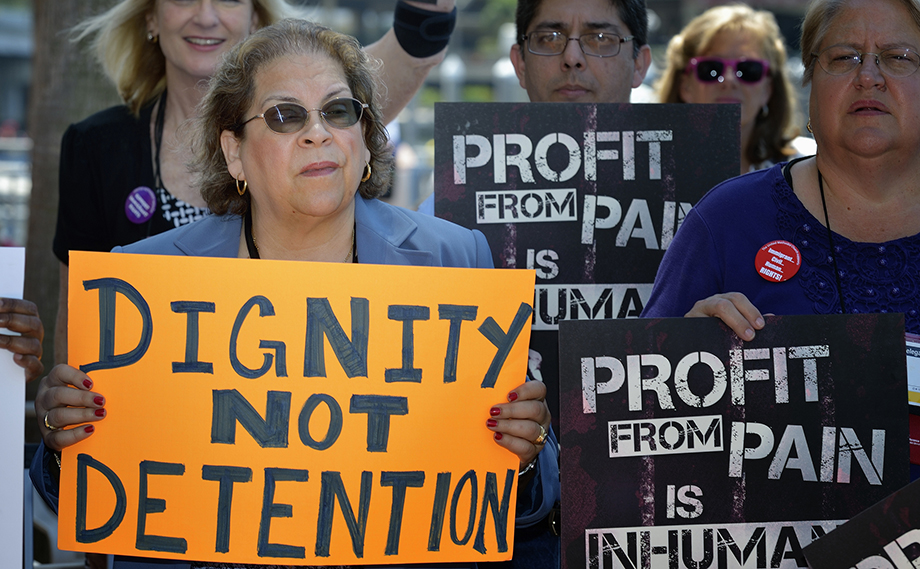
Advocacy groups, including the Equal Justice Initiative and the American Civil Liberties Union (ACLU), continue to play a vital role in pushing for systemic change. Grassroots movements, driven by communities most affected by injustice, have amplified the call for reform, emphasizing the need for a holistic approach.
Conclusion
The systemic issues and racial disparities in the U.S. criminal justice system are deeply entrenched but not insurmountable. Comprehensive reform requires a multifaceted approach that addresses the root causes of inequality, transforms policing and sentencing practices, and prioritizes rehabilitation over punishment.
By acknowledging the system’s flaws and working collaboratively across communities, policymakers, and advocacy groups, the United States can move toward a criminal justice system that upholds the principles of fairness, equity, and justice for all.
