

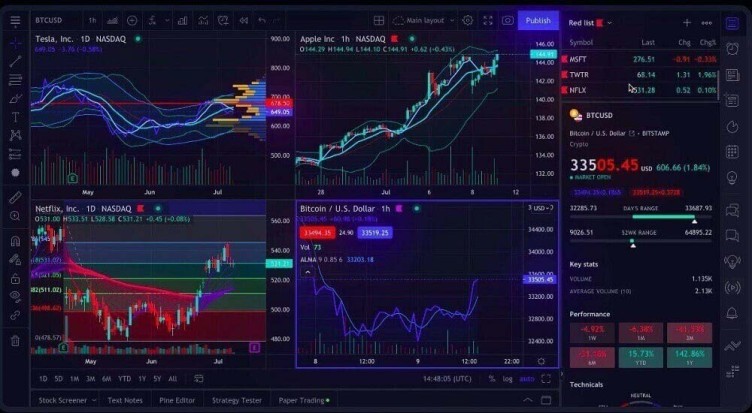
Even the best traders make mistakes. What separates consistent performers from the rest is their ability to learn from them and adjust. In the world of Share CFDs, small errors can quickly snowball into significant losses, especially when leverage is involved. Recognizing the most common pitfalls can help traders build smarter habits and protect their capital.
Rushing In Without a Plan
It is tempting to jump into a trade because a stock is moving fast or a tip just came through. But acting without a plan is one of the most damaging habits a trader can develop. When trading Share CFDs, there must be a strategy behind every entry—whether that is a technical pattern, a news event, or a volume signal.
Without predefined entry points, stop-loss levels, and target exits, emotion takes over. And emotional trading is rarely profitable. Taking the time to map out a game plan before entering any position helps reduce mistakes and builds discipline.
Overleveraging the Account
Leverage can be a powerful ally, but it cuts both ways. Many traders make the mistake of using maximum leverage offered by their broker, thinking it increases their chances of a bigger win. In reality, this also magnifies losses and increases the chances of getting stopped out prematurely.
Trading Share CFDs with a more moderate and calculated use of leverage allows for greater breathing room and protects against being forced out of good positions due to temporary volatility. Conservative sizing is a long-term survival tactic.
Ignoring the News Cycle
Markets do not move in isolation. Economic data, earnings reports, political developments—these all impact price. One of the common mistakes is ignoring scheduled news events that could affect your position. For Share CFDs, especially those tied to high-beta stocks, a sudden headline can change the landscape within seconds.
Being aware of the calendar and understanding how a particular news release may influence price gives you the upper hand. It also allows you to avoid trading during highly uncertain periods unless your strategy is designed to benefit from that kind of volatility.
Holding on to Losing Positions Too Long
It is natural to hope a trade will turn around. But holding onto a losing position without a plan often leads to larger losses. Traders using Share CFDs sometimes fall into the trap of “waiting it out,” especially when the underlying stock is fundamentally strong.
The truth is, price action matters more in the short term. Setting and respecting stop-loss levels is essential. The goal is not to win every trade, but to manage risk so that one loss does not wipe out days or weeks of gains.
Chasing the Hype
Certain stocks occasionally dominate headlines. Social media buzz or sudden spikes in trading activity can create a fear of missing out. Traders may dive into Share CFDs without proper analysis, simply because a stock appears to be moving. Unfortunately, by the time the masses jump in, the move may already be near exhaustion.
Resisting the urge to follow the crowd blindly is critical. Instead, waiting for the dust to settle and finding trades based on structure and logic leads to more consistent outcomes.Avoiding mistakes is not about being perfect. It is about learning, improving, and adapting over time. For those trading Share CFDs, staying mindful of these common traps is a key step toward building a sustainable and profitable strategy.
