

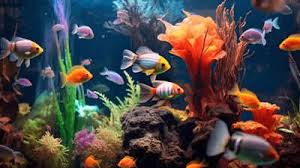
A live fish tank is a wonderful way to bring a touch of nature into your home or office. Whether you’re a seasoned aquarium enthusiast or a beginner, setting up and maintaining a live fish tank can be a rewarding and relaxing experience. This guide will provide you with all the essential information needed to create a healthy and thriving environment for your aquatic pets.
What is a Live Fish Tank?
A live fish tank refers to an aquarium filled with real, living fish. Unlike artificial fish or decorative pieces, these tanks contain actual fish that require proper care and attention. The primary goal of a live fish tank is to simulate a natural aquatic environment where fish can live, grow, and thrive. This involves providing the right conditions, including water temperature, pH levels, filtration, and proper nutrition.
Choosing the Right Size for Your Live Fish Tank
One of the first decisions you’ll need to make is the size of your live fish tank. The size depends on several factors, such as the type and number of fish you wish to keep, the space available in your home, and your level of experience.
For beginners, a 20 to 30-gallon tank is a good starting point. Larger tanks provide more stability, making it easier to maintain proper water conditions. It’s important to remember that fish need space to swim and grow, so avoid overcrowding your live fish tank. Overcrowding can lead to poor water quality, stress, and disease among the fish.
Selecting Fish for Your Live Fish Tank
Choosing the right fish is crucial for the success of your live fish tank. Some fish are easier to care for than others, and some require specific water conditions. When selecting fish, consider their size, temperament, and compatibility with other species.
Popular beginner-friendly fish include:
- Goldfish: These are hardy fish that come in various colors and sizes.
- Betta Fish: Known for their vibrant colors and flowing fins, bettas are small and easy to care for.
- Guppies: These are small, colorful fish that are peaceful and ideal for community tanks.
- Neon Tetras: These tiny fish are known for their striking blue and red colors.
- Corydoras Catfish: These bottom-dwelling fish are great for cleaning up leftover food in the tank.
It’s essential to research the specific care requirements for each fish species before adding them to your live fish tank. Some fish may require different water temperatures, pH levels, or tank mates, so make sure you create a harmonious environment for all your aquatic pets.
Setting Up Your Live Fish Tank
Once you’ve chosen the right fish for your live fish tank, it’s time to set up the aquarium. Here’s a step-by-step guide to help you get started:
- Choose the Location: Select a location for your live fish tank that is away from direct sunlight, heating or cooling vents, and high-traffic areas. A stable temperature is essential for fish health.
- Install the Tank Equipment: Your live fish tank will need some essential equipment, including a filter, heater (if necessary), air pump, and lighting. The filter keeps the water clean by removing debris and harmful substances, while the heater ensures the water stays at the right temperature.
- Add Substrate: Substrate is the material that lines the bottom of the tank. It can be gravel, sand, or specialized aquarium substrate. Choose a substrate that suits the needs of your fish and any live plants you may want to include.
- Decorate the Tank: Adding decorations, such as rocks, plants, and caves, provides hiding spots for the fish and enhances the aesthetic of the live fish tank. Be sure to choose decorations that are safe for your fish and easy to clean.
- Fill the Tank with Water: Use dechlorinated water to fill your live fish tank. Tap water often contains chlorine, which can harm fish, so be sure to treat the water before adding it to the tank.
- Cycle the Tank: Before adding any fish, you’ll need to cycle the tank. This process involves growing beneficial bacteria in the filter and substrate that help break down harmful ammonia and nitrites in the water. The cycling process can take several weeks, so be patient.
Maintaining Your Live Fish Tank
Once your live fish tank is set up, it’s crucial to maintain it properly to ensure the health and well-being of your fish. Regular maintenance includes:
- Water Changes: Perform regular water changes (about 25-30% of the tank volume) every 1-2 weeks to remove toxins and keep the water clean.
- Monitor Water Parameters: Use test kits to check the water’s pH, ammonia, nitrite, and nitrate levels. Maintaining proper water parameters is essential for your fish’s health.
- Clean the Tank: Clean the tank regularly by removing debris, cleaning the filter, and scrubbing the walls to prevent algae buildup.
- Feed Your Fish Properly: Overfeeding can lead to poor water quality. Feed your fish small amounts of food 1-2 times a day, and remove any uneaten food after a few minutes.
Troubleshooting Common Problems in Your Live Fish Tank
Even with the best care, problems can sometimes arise in a live fish tank. Here are some common issues and how to resolve them:
- Cloudy Water: This could be caused by overfeeding, poor filtration, or an imbalance in water parameters. Regular water changes and proper filtration can usually fix this issue.
- Algae Growth: Algae thrive in tanks with excess light and nutrients. Reducing the amount of light and performing regular tank cleanings can help control algae.
- Fish Disease: Common fish diseases include ich, fin rot, and fungal infections. Quarantine new fish before adding them to your tank and monitor for signs of illness. If necessary, treat affected fish with appropriate medications.
Conclusion
A live fish tank can be a beautiful and relaxing addition to your home or office. By choosing the right fish, setting up the tank properly, and maintaining a clean and healthy environment, you can enjoy the beauty of aquatic life and provide your fish with the best possible care. Whether you’re a beginner or an experienced aquarium keeper, creating and maintaining a live fish tank is an enjoyable and fulfilling hobby.
