

Introduction
Gold has captivated humanity for centuries. Its shimmering allure and rarity have made it a symbol of wealth, power, and prosperity. Whether in the form of jewelry, coins, or bullion bars, gold remains one of the most sought-after precious metals around the globe. But what makes this metal so valuable?
The world of gold is not just about its gleaming surface; it’s also about understanding its value and purity. These factors play a crucial role when considering investing or buying gold. With fluctuating prices influenced by various economic factors, knowing how to navigate this market can be daunting.
Whether you’re looking to invest in an ounce of gold or simply want to understand more about its properties, you’ve come to the right place! Let’s delve into everything you need to know about this timeless asset that continues to stand the test of time.
Understanding the Value of Gold
Gold has fascinated humanity for centuries. Its intrinsic value is linked to its rarity, beauty, and durability. Unlike fiat currency, gold cannot be printed or manufactured in large quantities.
The market often views gold as a safe haven during economic instability. Investors flock to it when uncertainty looms over traditional financial systems. This demand drives up the price of an ounce of gold.
Global events also play a crucial role in shaping its worth. Political tensions, inflation rates, and currency fluctuations can all impact how much people are willing to pay for this precious metal.
Another factor influencing value is the jewelry industry’s appetite for gold. Trends in fashion can cause spikes in demand, further affecting prices.
With central banks holding vast reserves of gold, their buying or selling activities add another layer to its valuation dynamics. Understanding these elements is key for anyone looking to invest wisely.
Factors That Affect the Price of Gold
Gold prices are influenced by a variety of factors, making it a dynamic market. One major element is supply and demand. When demand rises or production slows, prices tend to increase.
Geopolitical tensions also play a role. Uncertainty in global politics can lead investors to seek safe-haven assets like gold, driving up its value.
Economic indicators such as inflation and interest rates significantly impact gold pricing too. Higher inflation often leads investors to buy gold as protection against currency devaluation.
Additionally, the strength of the U.
S. dollar affects gold’s price directly. A weaker dollar makes gold cheaper for foreign buyers, leading to increased demand and higher prices.
Central banks worldwide hold substantial quantities of gold in their reserves; their buying or selling decisions can sway market values substantially.
The Importance of Purity in Gold
Purity in gold is crucial for both investors and consumers. It directly influences the metal’s value and overall marketability. High-purity gold typically fetches a better price, making it a smarter investment choice.
When purchasing jewelry or bullion, purity ensures you are getting what you pay for. For instance, 24-karat gold is considered pure because it contains 99.9% gold content. Lower karats contain other metals mixed in, which can affect appearance and durability.
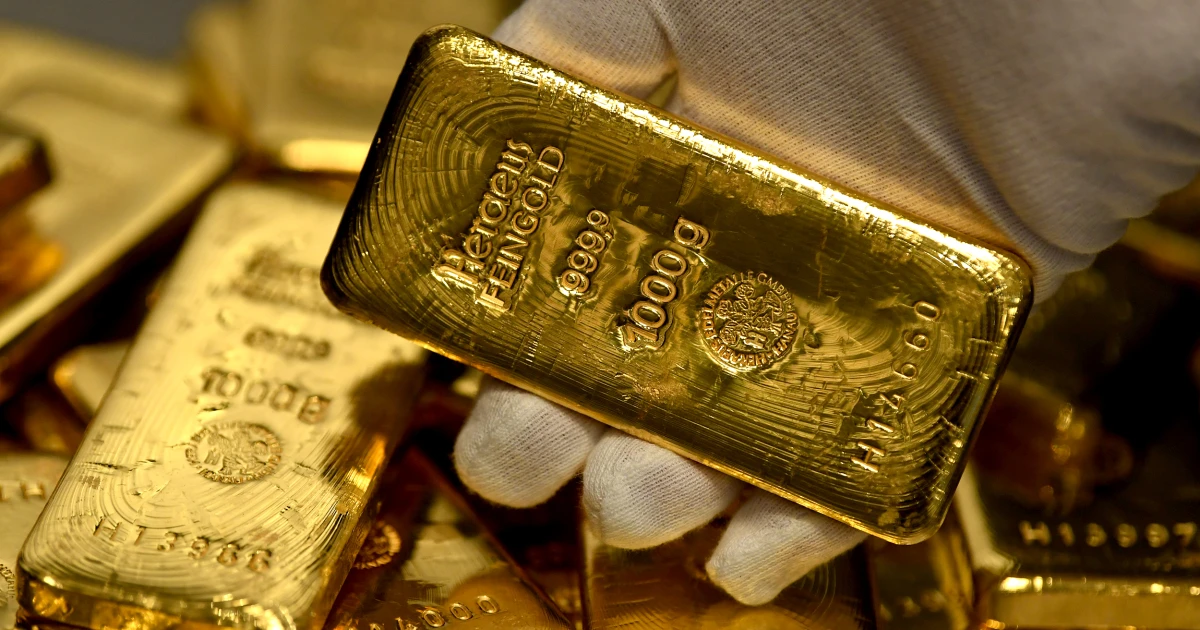
Investors often seek good delivery bar that meet specific purity standards set by reputable authorities. Such bars not only assure quality but also enhance liquidity when reselling.
Understanding purity helps individuals make informed decisions about their purchases and investments in this timeless asset.
Different Measurements and Standards for Gold Purity
Gold purity is measured using specific standards that indicate the metal’s quality. The most common unit of measurement is karats. Pure gold is defined as 24 karats, meaning it contains 99.9% gold content.
Another widely accepted standard is the millesimal fineness system, which expresses purity in parts per thousand. For example, a piece marked as 999 indicates nearly pure gold with only minimal impurities.
In many countries, especially in Europe, hallmarking systems are used to certify gold’s authenticity and purity level. These hallmarks can include numbers representing the karat weight or millesimal fineness along with stamps from trusted assay offices.
Investors often look for good delivery bars when buying larger quantities of gold. These bars must meet strict criteria set by regulatory bodies like the London Bullion Market Association (LBMA). Such certifications ensure that buyers get what they pay for in terms of both quality and value.
How to Determine the Purity of Your Gold
Determining the purity of your gold is essential for assessing its true value. One common method involves using a gold testing kit, which typically includes acid solutions specifically designed for different karats. A small scratch test on the metal reveals how it reacts to these acids.
Another approach is the density test. Gold has a specific gravity of 19.3 g/cm³. By weighing your piece and measuring its volume in water, you can calculate its density and compare it to pure gold’s standard.
If you’re looking for precision, consider taking your item to a professional jeweler or appraiser. They use advanced techniques like X-ray fluorescence (XRF) machines that provide accurate readings without damaging the piece.
For those who want convenience at home, magnet tests are also useful; pure gold does not attract magnets while lower-quality metals might respond differently.
Uses and Benefits of Investing in Pure Gold
Investing in pure gold offers a hedge against inflation. As currencies fluctuate, gold maintains its purchasing power over time.
It’s also considered a safe haven during economic uncertainty. Investors flock to gold when markets are volatile, driving demand higher.
Moreover, pure gold is easily divisible and portable. Whether you own coins or bars, it’s simple to trade or sell without losing value.
Gold carries intrinsic worth beyond investment potential as well. It’s used in jewelry and electronics, making it versatile in various industries.
Additionally, holding physical gold can provide psychological comfort amidst financial chaos. The tangible asset often brings peace of mind that digital investments cannot replicate.
Investing in good delivery bars ensures quality assurance and liquidity for future transactions—further solidifying your portfolio’s strength.
Conclusion
Gold has stood the test of time as a reliable store of value. Its allure is not just in its beauty, but also in its stability during economic fluctuations. Investors often see gold as a safe haven asset, especially when markets are volatile.
The purity of gold plays a crucial role in determining its worth. Understanding how to assess an ounce of gold and recognizing high-quality good delivery bars can significantly influence investment decisions. The factors affecting the price range from global market conditions to geopolitical events, making it essential for investors to stay informed.
For many, investing in pure gold offers tangible benefits beyond financial returns. It’s a hedge against inflation and currency devaluation. Moreover, owning physical gold provides security that paper assets cannot match.
With all these considerations at play, it’s clear why individuals and institutions alike continue to regard gold as an invaluable asset for wealth preservation and growth. Investing wisely today can pave the way for better financial security tomorrow.
