

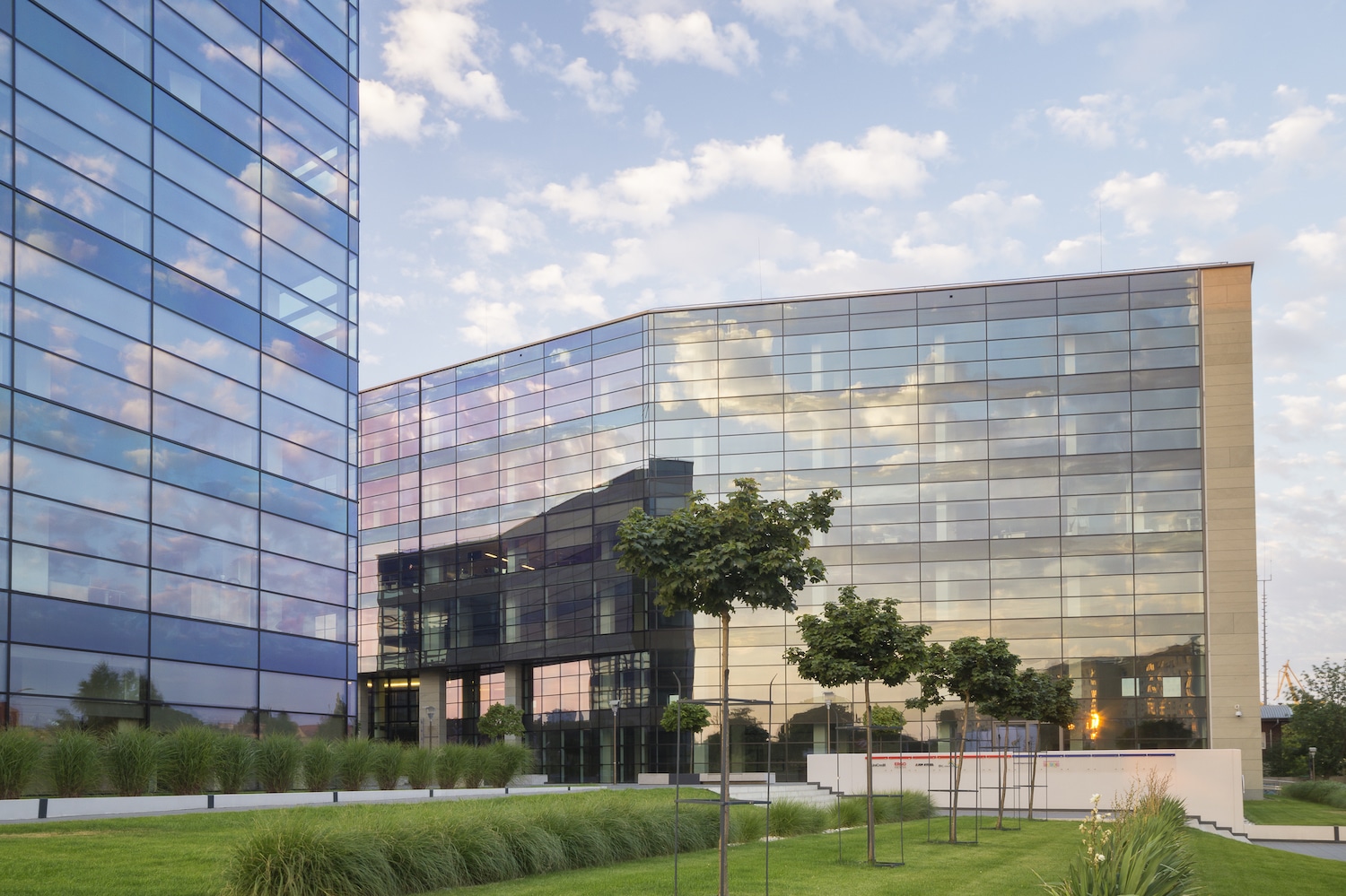
Security is a critical aspect of business parks to ensure the safety of employees, protect assets, and create a conducive environment for business operations. Business parks, which encompass a variety of businesses from small offices to large industrial facilities, require thoughtful planning and implementation of security measures to mitigate risks and prevent potential threats. In this article, we delve into the essential security considerations that business parks must address to maintain a safe and secure environment.
Importance of Security in Business Parks
Business parks are often business hubs of economic activity, housing valuable assets, sensitive information, and a diverse workforce. Security concerns in these environments can range from physical threats like theft and vandalism to cyber threats targeting digital infrastructure and data security. Addressing these concerns not only safeguards businesses and their operations but also enhances the overall reputation and attractiveness of the park to tenants and investors.
Key Security Measures for Business Parks
- Perimeter Security: Establishing a secure perimeter is the first line of defense for business parks. This includes physical barriers such as fences, gates, and access control points to monitor and regulate entry and exit. Advanced technologies like CCTV cameras and motion sensors can enhance surveillance capabilities and deter unauthorized access.
- Access Control Systems: Implementing robust access control systems is crucial to manage who enters the business park premises and when. This can include key card access, biometric systems, or visitor management protocols. Access control helps prevent unauthorized individuals from gaining entry and ensures only authorized personnel have access to specific areas.
- Security Personnel: Deploying trained security personnel, whether on-site security guards or mobile patrols, adds a human element to security operations. They can conduct regular patrols, monitor surveillance systems, respond to incidents, and provide a visible presence that deters criminal activity.
- Emergency Preparedness: Developing and practicing emergency response plans is essential to handle various scenarios, including natural disasters, fires, medical emergencies, or security breaches. Business parks should conduct regular drills, educate employees on emergency procedures, and maintain communication channels with local emergency services.
- Cybersecurity Measures: In today’s digital age, cybersecurity is equally important as physical security. Business parks must secure their IT infrastructure, networks, and data against cyber threats such as hacking, malware, and phishing attacks. This includes implementing firewalls, encryption protocols, regular software updates, and employee training on cybersecurity best practices.
- Lighting and Environmental Design: Adequate lighting throughout the business park premises can deter criminal activity and improve overall visibility during nighttime hours. Environmental design principles, such as clear signage, well-maintained landscaping, and visibility of common areas, contribute to a safer and more secure environment.
Collaborative Security Efforts
Business parks often involve multiple stakeholders, including property managers, tenants, local law enforcement, and security service providers. Collaborative efforts among these parties are essential to identify security risks, share information, implement coordinated security measures, and respond effectively to incidents as they arise. Regular communication and partnerships enhance the overall security posture of the business park community.
Regulatory Compliance and Standards
Compliance with local laws, regulations, and industry standards related to security is paramount for business parks. This may include adherence to building codes, fire safety regulations, data protection laws, and industry-specific security guidelines. Staying updated on regulatory requirements ensures that business parks not only meet legal obligations but also maintain high standards of security and safety for all stakeholders.
Continuous Monitoring and Improvement
Security is an ongoing process that requires continuous monitoring, evaluation, and improvement. Regular security assessments, audits, and feedback from stakeholders help identify vulnerabilities and areas for enhancement. Embracing new technologies and best practices allows business parks to adapt to evolving security threats and maintain a robust security infrastructure over time.
Conclusion
Ensuring the security of business parks involves a multifaceted approach that addresses physical, digital, and operational aspects of security. By implementing comprehensive security measures, fostering collaboration among stakeholders, complying with regulations, and continuously improving security practices, business parks can create a safe and secure environment conducive to business success and growth. Prioritizing security not only protects businesses and their assets but also enhances the overall quality of life for employees and visitors within the business park community.
