

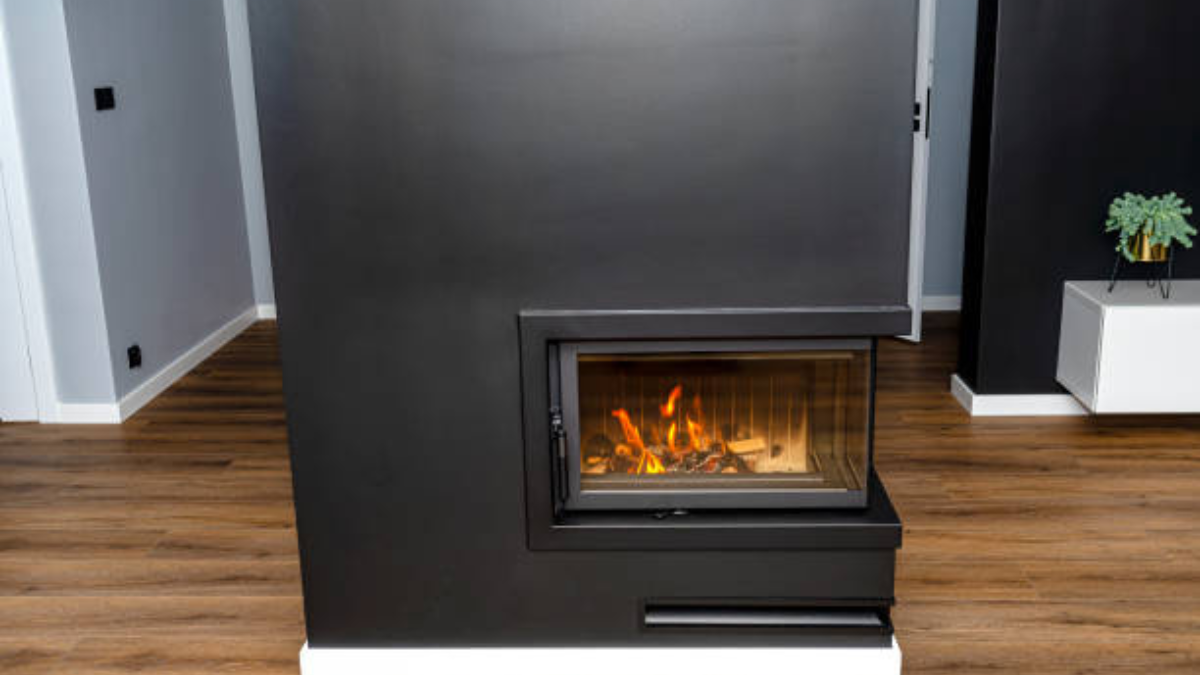
The fireplace industry has seen a remarkable surge in the past decade, offering homeowners the chance to envision a dream modern fireplace and have it custom-made to match their preferred design and style. A crucial decision in this process is choosing the type of fire for the fireplace, a choice that we’re here to help you navigate.
Solid fuel fireplaces, built to withstand extreme temperatures, are designed to create a realistic fire appearance. These fireplaces, often featuring a grate and ash pan, are typically crafted from materials like wood, stone, or cast iron. This versatility allows them to complement a wide range of interior design styles, sparking your imagination for your ideal fireplace.
Standard gas fires are renowned for their excellent heat production and high efficiency, making them a smart choice for homeowners looking to reduce their monthly heating expenses. This efficiency not only keeps you warm but also keeps your wallet happy.
Balanced flue gas fires are designed to draw in air from outside your home and expel exhaust gases through a wall flue, resulting in cleaner air indoors. These fires are known for their high efficiency and minimal fuel consumption, making them an excellent choice for heating without the need for a traditional chimney.
Flueless gas fires offer a safe, cost-effective, and efficient alternative to traditional flue fires. Their unique design ensures that all heat generated is retained in the room, maximizing their effectiveness. Plus, with a built-in catalytic converter, these fires provide an added layer of safety, automatically shutting down if the converter fails, giving you peace of mind and a sense of security.
Power flue gas fires, also known as fan flue or turbo flue, do not need a chimney or a flue system. These fireplaces produce lifelike flickering flames.
Wall-mounted gas fires are an excellent choice for optimizing space in your home. These types of fires are perfect when space is limited. Alternatively, hole-in-the-wall fires can also help to free up room space, giving a modern and minimalist look to your living area, adding a touch of trendiness and style to your home. However, it’s important to note that both models usually require a chimney for proper ventilation.
Electric fireplaces are designed to generate both heat and light using a combination of LED flames and ribbon-effect flames. These fireplaces often offer the flexibility of using the flame effect and heat separately, allowing users to enjoy the ambiance of the fire without necessarily turning on the heat function, giving you control over your comfort and the atmosphere of your home.
Electric fireplaces are generally easier and cheaper to install than a gas or solid fuel fire or traditional stove, as they don’t need a chimney or venting. Furthermore, electric fireplaces require little maintenance. There’s no need to clean a chimney or worry about gas leaks.
Electric fireplaces are more environmentally friendly than solid fuel or gas fireplaces. They don’t produce emissions or pollutants, making them a cleaner option for your home and eco-friendly for the environment. They are also cheap to run. The downside is they take longer to heat a room than a gas fire.
