

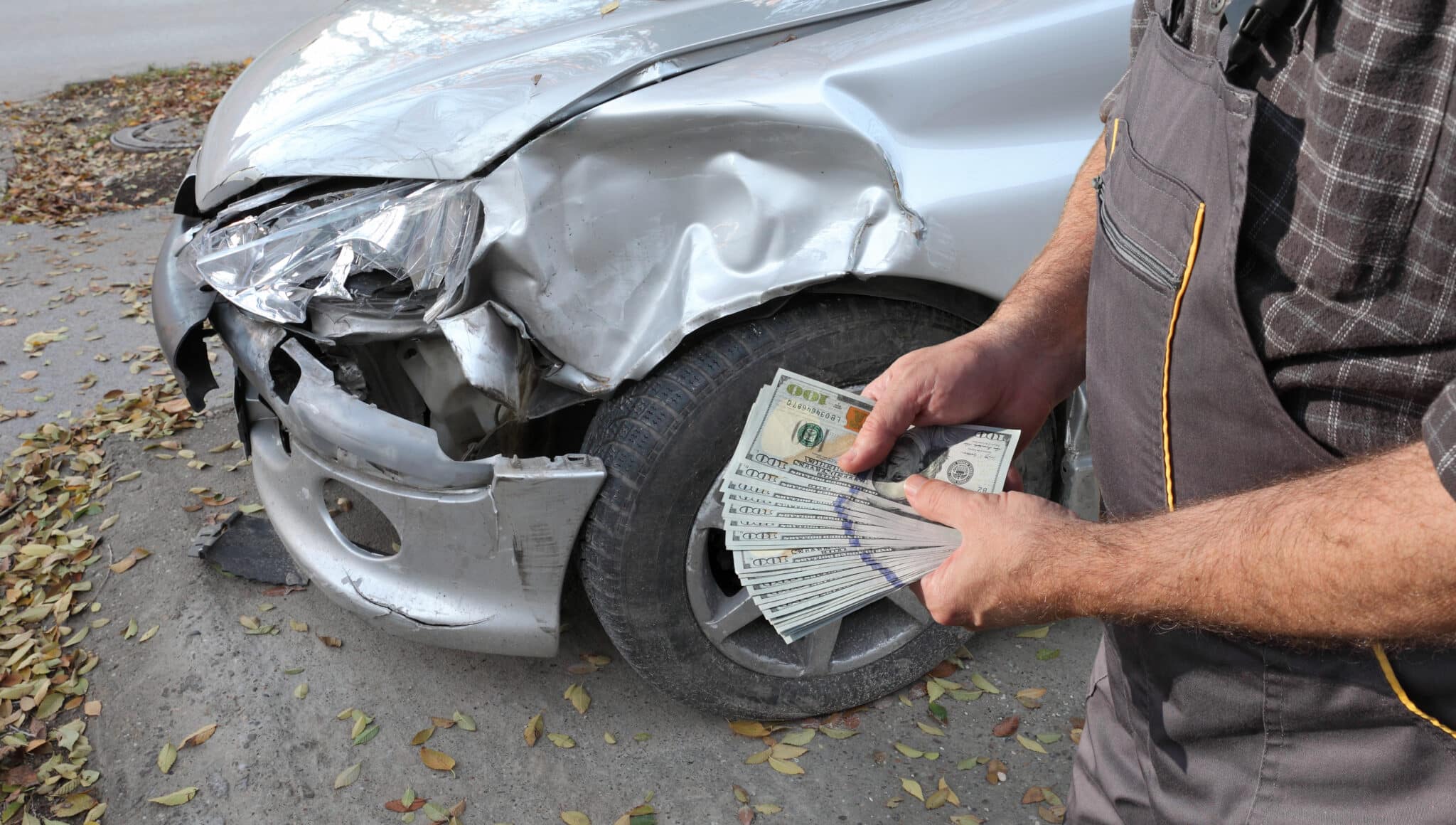
Selling a defective car can be challenging, especially when the vehicle has significant issues like engine failure, transmission problems, or severe body damage.
However, even a car that no longer runs or has major defects can still hold value. Whether you’re looking for a quick sale, aiming to get the highest payout, or simply want to offload the vehicle without hassle, there are several ways to sell your defective car. From junkyards and private buyers to online services and dealerships, each option comes with its own advantages and potential returns.
This guide will walk you through the various methods available, helping you choose the best one based on your car’s condition and your priorities.
Bilhusetdanmark.dk offers high-caliber defective car selling services in Denmark(højkaliber Sælg defekt bil gstjenester i Danmark) at budget-friendly prices, ensuring a stress-free experience.
Sell to a Junkyard or Salvage Yard
Selling to a junkyard or salvage yard is a good option for vehicles that are no longer drivable or have extensive damage that makes them irreparable. Junkyards buy cars primarily for scrap metal value or to resell usable parts.
To sell to a junkyard, you’ll need to contact several local yards to get competitive quotes. They will usually ask for details like the car’s make, model, year, and condition.
Be prepared to provide the vehicle’s title, as junkyards require it for legal transactions. Some yards may offer free towing, while others may charge a fee, which could reduce your overall profit.
It’s essential to clarify this beforehand and negotiate free towing if possible. After agreeing to a price, you can either deliver the car yourself or schedule a pickup.
Junkyards typically pay based on the weight of the car or the value of its parts, so expect a lower payout compared to other selling methods. However, this method is fast and hassle-free.
On average, you can expect to earn between $100 and $500, depending on the weight of the car and the current value of scrap metal.
Sell to a Private Buyer
Selling a defective car to a private buyer can be more profitable than going through a junkyard, especially if the vehicle has repairable defects.
Online platforms like Craigslist, Facebook Marketplace, and OfferUp allow you to advertise your car to a broader audience.
The key to selling privately is transparency—be clear and honest about the car’s condition, including any mechanical issues or cosmetic damage.
Include detailed descriptions and clear photos, both of the car’s positive features and defects.
You may need to negotiate with potential buyers, who might take the car for a test drive (if it’s drivable). Once you agree on a price, make sure to transfer the title and provide a bill of sale to finalize the transaction.
While selling to a private buyer can take more time, it often results in a higher payout, especially for cars with minor, fixable issues.
In general, you could earn between 30% and 70% of the car’s estimated market value if it were in good condition.
Sell to a Mechanic or Auto Shop
Mechanics and auto shops may be interested in purchasing a defective car, particularly if the vehicle has repairable issues or usable parts.
This is an ideal option for vehicles that need expensive repairs like a new engine or transmission, which mechanics may see as an opportunity to fix and resell for profit.
Contact several local mechanics to see if they are interested and obtain multiple offers to find the best deal.
Mechanics are usually well aware of repair costs and will base their offer accordingly. The process is straightforward—once you agree on a price, transfer the title and complete the sale.
Selling to a mechanic may yield more money than selling to a junkyard, especially if the car is fixable.
The payout depends on the car’s condition but can range higher if the mechanic sees value in repairing the vehicle.
Trade-In at a Dealership
Some dealerships accept defective cars as trade-ins, although the value they offer will likely be reduced due to the car’s condition. This option is convenient if you are planning to purchase another vehicle from the dealership, as the trade-in value can be applied toward your new purchase.
Not all dealerships accept cars in poor condition, so it’s important to call ahead and inquire about their trade-in policies.
When trading in, the dealership will appraise the car, factoring in repair costs, age, and market value before making an offer.
While this method is convenient, especially if you’re looking to buy a new car, trade-in values tend to be lower than private sales or other options.
You can typically expect the dealership to offer between 10% and 50% less than what you might get from selling the car privately.
Sell to a Specialized Buyer (e.g., “We Buy Junk Cars” Services)
If you’re looking for a quick and hassle-free sale, specialized buyers such as “We Buy Junk Cars” services offer a convenient option. Companies like CarBrain, Peddle, and Wheelzy will buy cars in almost any condition.
These services are easy to use; you simply enter your car’s details online and receive an instant quote. If you accept the offer, they will often arrange for free towing and provide payment when they pick up the vehicle.
The process is fast, usually taking just a few days. However, the downside is that specialized buyers often offer less than what you might get through private sales.
Still, it’s a straightforward way to get rid of a defective car quickly, with offers typically ranging from $200 to $700 depending on the car’s condition and location.
Sell for Parts
If your car has valuable working parts but is otherwise defective, selling it for parts can be a profitable option.
Key components like the engine, transmission, catalytic converter, and tires can still hold significant value even if the car itself doesn’t run.
To get the most out of this option, you’ll need the time, tools, and knowledge to dismantle the car and sell the parts individually. Platforms like eBay, Craigslist, and local auto forums are good places to list car parts for sale.
Once you’ve removed and sold the most valuable parts, you can sell the remaining shell of the vehicle to a junkyard for scrap.
Selling for parts takes more time and effort but can result in higher earnings than selling the car whole.
Depending on the parts’ condition, you could make several hundred or even thousands of dollars. After parting out the vehicle, you can still sell the leftover frame to a junkyard for scrap value.
Donate the Car
If you prefer to donate your defective car, several charitable organizations accept vehicle donations, even if the car is in poor condition.
Charities like Goodwill, Habitat for Humanity, and the Salvation Army will often tow the vehicle for free and provide you with a tax receipt for the car’s fair market value.
The tax deduction will be based either on the car’s value or the amount the charity receives from selling the vehicle at auction. While you won’t receive immediate cash, donating your car can provide a tax deduction and the satisfaction of contributing to a good cause.
The average deduction varies but typically reflects the current market value of the car.
Additional Considerations
Before selling your car, ensure that you have all the necessary paperwork, including the title and registration.
If you’ve lost the title, you’ll need to contact your local DMV to request a replacement before completing the sale. It’s also essential to remove all personal items from the car and cancel your insurance once the sale is finalized.
Lastly, be upfront about the car’s condition, especially in private sales, to avoid legal disputes later on. Misrepresenting the car’s defects can lead to problems with the buyer down the line.
Conclusion
There are several ways to sell a defective car, depending on its condition and your priorities.
Whether you opt to sell to a junkyard, mechanic, private buyer, or trade it in at a dealership, being transparent about the car’s defects is essential.
While selling privately or for parts may result in a higher payout, selling to specialized buyers or donating the car can offer quicker, more convenient solutions.
Each option has its advantages, and the best choice will depend on how much effort you’re willing to invest and how quickly you want to sell the vehicle.
